

 Building Configurator
 Request a Quote

How to Find the Best Aircraft Hangars for Sale in the UK
Choosing the right aircraft hangar is an important decision for private aircraft owners, airfields, aviation operators, and businesses that need secure aircraft storage. A good hangar should protect the aircraft, support safe access, and provide enough space for storage, maintenance, and daily aviation operations.
Before comparing aircraft hangar options, it is important to understand the aircraft size, site conditions, access requirements, and long-term use of the building.
Understand Your Aircraft Storage Requirements
The first step is to define what the hangar needs to protect and how it will be used. A small private aircraft may only need a compact storage building, while a larger aircraft, helicopter, or multi-aircraft setup may require wider access, greater internal height, and more operational space.
Aircraft Size and Clearance
The hangar should be planned around the aircraft’s wingspan, tail height, length, and required clearance around the aircraft. Enough space should be left for safe movement, maintenance access, and any equipment stored inside the building.
- Small private aircraft: usually need a practical single-aircraft storage solution.
- Business aircraft or larger aircraft: may require wider spans, taller openings, and larger door access.
- Multiple aircraft: need careful layout planning to avoid access and movement issues.
Additional Space Requirements
Aircraft storage is often only one part of the requirement. Many owners also need space for tools, spare parts, ground equipment, vehicles, maintenance work, or a small operational area.
- Storage: tools, spare parts, ground support equipment, and aviation accessories.
- Maintenance area: clear working space around the aircraft for inspection and servicing.
- Operational space: room for access, loading, movement, or support activity.
Consider the Hangar Location
The location of the aircraft hangar has a major impact on the final specification. A hangar near an airfield, runway, private landing area, or operational site may need different access, foundation, and layout planning.
Access and Site Conditions
Consider how the aircraft will enter and leave the hangar, how vehicles and equipment will access the site, and whether the ground conditions are suitable for installation. Drainage, surface preparation, wind exposure, and local access routes should all be reviewed before choosing a hangar type.
Weather Exposure
Aircraft hangars should be suitable for the local weather conditions. Wind, rain, snow, sun exposure, and temperature changes can all affect the best choice of structure, cladding, insulation, and door system.
Choose the Right Hangar Material
Material choice affects durability, maintenance, cost, and the level of protection provided. Some projects need a flexible fabric hangar, while others may require a steel or insulated structure for stronger protection or year-round use.
Fabric, Steel, and Insulated Options
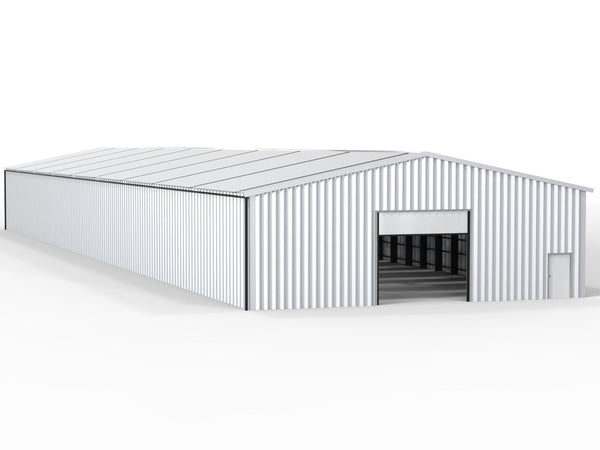
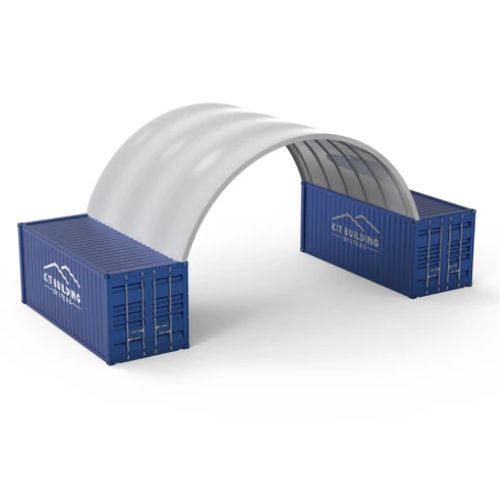
Fabric aircraft hangars can be suitable for flexible covered storage and cost-effective aviation protection. Steel aircraft hangars provide a more rigid structure with durable cladding, while insulated aircraft hangars are better suited to projects that need improved temperature control or reduced condensation.
- Fabric aircraft hangars: practical for flexible aircraft storage and covered space.
- Steel aircraft hangars: suitable for stronger metal-clad aviation storage.
- Insulated aircraft hangars: useful when temperature control and condensation reduction are priorities.
Review Door and Access Requirements
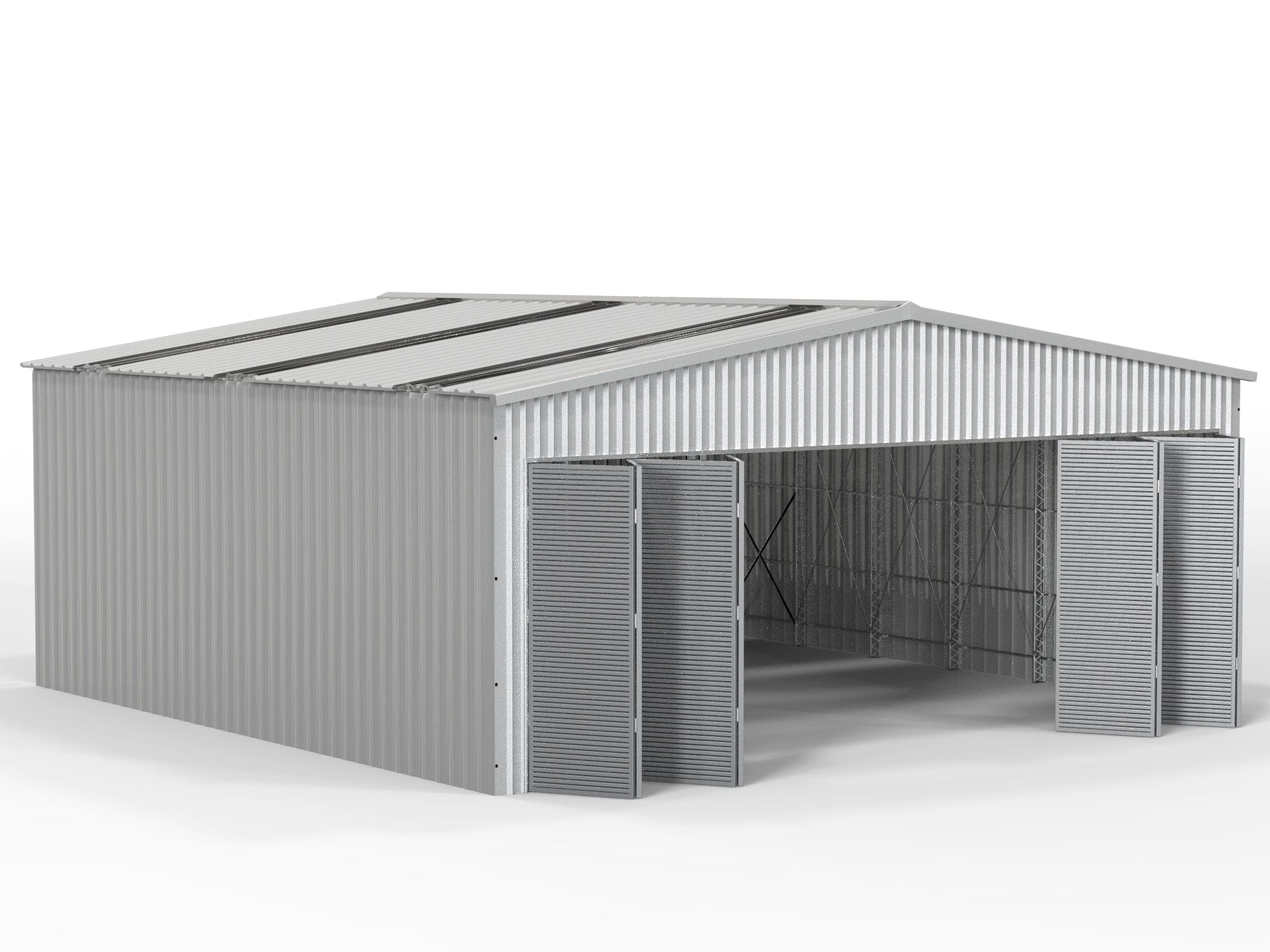
The door system is one of the most important parts of an aircraft hangar. The opening must be wide and high enough for safe aircraft movement, while still being practical for everyday use.
Door requirements depend on aircraft size, frequency of use, site layout, and whether the hangar will also be used for maintenance or equipment storage.
Check Local Approval and Planning Requirements
Approval requirements can vary depending on the site, location, structure size, and intended use. Before installation, customers should confirm whether planning permission, building approval, engineering drawings, or site-specific documentation are required.
For aviation sites, private land, or commercial operations, it is especially important to check local rules early so the project does not face delays later.
Budget for Long-Term Use
The cost of an aircraft hangar depends on size, materials, door access, foundation needs, delivery, installation, and any custom requirements. The cheapest option is not always the best long-term choice if it does not provide enough protection or operational flexibility.
Important cost factors include:
- Building size and clear span
- Fabric, steel, or insulated construction
- Door type and opening size
- Foundation and anchoring requirements
- Delivery and installation needs
- Future maintenance and expansion requirements
Think About Customisation
Aircraft hangars may need custom dimensions, access layouts, door options, cladding choices, insulation, or internal workspace depending on the aircraft and site. Planning these details early helps ensure the final building fits the real operational requirement.
Customisation may be useful for owners who need extra storage, maintenance space, specific aircraft clearance, or a building that fits an existing site layout.
Final Checklist Before Choosing an Aircraft Hangar
- Measure aircraft wingspan, height, and length
- Allow space for movement, storage, and maintenance
- Check site access and ground conditions
- Choose between fabric, steel, or insulated construction
- Review door opening requirements
- Confirm local planning or approval needs
- Consider future expansion or operational changes
Choosing the Right Aircraft Hangar Option
The best aircraft hangar is the one that matches the aircraft, site, budget, and long-term use. By reviewing size, material, access, weather exposure, and approval requirements early, owners can choose a more suitable and practical aviation storage solution.
To compare available building types, review the aircraft hangar options.