
 Building Configurator
 Request a Quote

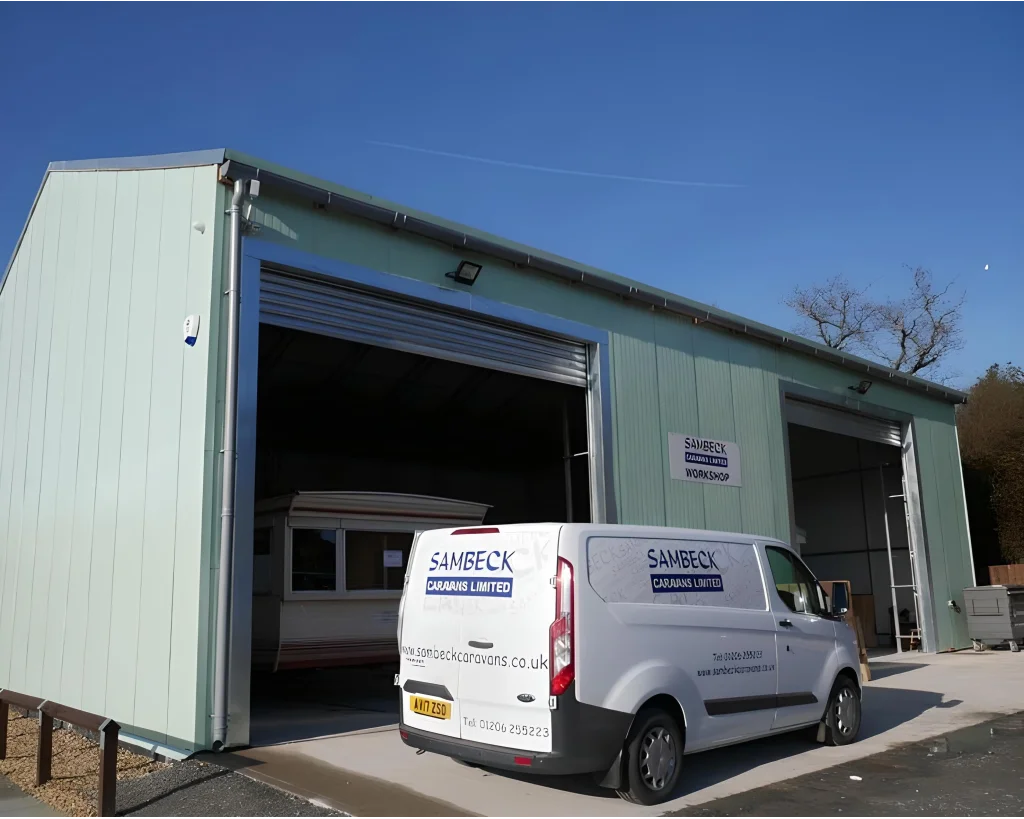
Steel Building Benefits for Harsh Weather and Storage Needs
Steel buildings are often chosen for projects that need strong, durable, and low-maintenance covered space. They can support storage, workshops, equipment protection, agricultural use, industrial operations, and commercial site requirements.
Before comparing steel building options, it is useful to understand why steel is commonly used for buildings that need long-term weather resistance, structural strength, and flexible internal space.

Durability and Long-Term Strength
Durability is one of the main reasons businesses choose steel buildings. Steel frames are designed to support demanding site conditions and can provide strong resistance against weather exposure, daily operational use, and long-term wear.
Unlike some traditional materials, steel is not affected by rot or termites. This can help reduce maintenance concerns and make steel buildings suitable for storage, agricultural, commercial, and industrial environments.
Weather Resistance
Steel buildings can be a practical option for sites exposed to rain, wind, snow, sunlight, and changing seasonal conditions. The final specification should always match the site location, expected weather exposure, and intended use of the building.
For businesses storing machinery, vehicles, stock, tools, or materials, weather-resistant covered space can help reduce damage risk and support more reliable operations.
Energy Efficiency and Insulation Options
Steel buildings can be configured with insulation, cladding, ventilation, and door options depending on how the building will be used. Insulated options may be useful for workshops, storage of sensitive materials, or buildings used regularly throughout the year.
When planning a steel building, customers should consider whether they need a basic weather-protected structure or an insulated building with improved temperature control and reduced condensation.
Flexible Use Across Different Sites
Steel buildings can support many different applications, from equipment storage and workshops to agricultural buildings, industrial storage, and commercial workspaces. Their clear internal space can make them useful for businesses that need practical room for machinery, vehicles, stock, or operational activity.
Size, height, door access, layout, and insulation requirements should be reviewed based on the real use of the building.
Low Maintenance and Long-Term Value
Steel buildings are often selected because they can provide long-term value with relatively low maintenance requirements. A well-specified building can help reduce repair needs and support reliable use over time.
Long-term value depends on the correct structure, suitable site preparation, proper installation, and a specification that matches the intended use.
Resistance to Pests and Fire
Steel is not vulnerable to pests such as termites, and it does not rot like timber. This can make it a practical material for sites where long-term durability and reduced maintenance are important.

Steel is also non-combustible, which can be useful when considering general building safety. Project-specific fire, planning, and compliance requirements should always be reviewed based on the site and use case.
Sustainability and Recyclability
Steel is recyclable and can support more efficient use of building materials over the long term. A durable steel building may also reduce the need for frequent replacement or major repair work compared with less durable alternatives.
For businesses planning long-term storage or workspace infrastructure, material lifespan, maintenance, and future adaptability should all be considered.
When a Steel Building Makes Sense
A steel building can be a good option when a business needs strong, practical covered space for storage, vehicles, equipment, workshops, agriculture, or industrial operations. It is especially useful when durability, weather resistance, and long-term usability are important.
Final Checklist Before Choosing a Steel Building
- Define the main use: storage, workshop, vehicles, agriculture, or industrial operations
- Confirm the required width, length, height, and internal clearance
- Review weather exposure, wind, snow, and site conditions
- Decide whether insulation is required
- Plan door access for vehicles, machinery, or deliveries
- Check site preparation, foundation, and installation requirements
- Consider future expansion or changing business needs
Choosing the Right Steel Building
Steel buildings can provide durable covered space for many commercial, agricultural, and industrial uses. The best option depends on the site, required size, access needs, insulation requirements, and long-term use of the structure.
To compare available building types, review the steel building options.